
When I set the lights low and place a flickering Mythologie Candle on the table during our Cool, Comms, Collected (3Cs) storytelling workshop, something quietly shifts in the room. The scent we’re burning is called Garden Party—but the real magic isn’t in the fragrance alone. It’s in the story the candle invites you to step into.
I ask everyone to close their eyes while I read:
Tables lined with pristine tablecloths sit beneath the shade of flowering trees. Floral arrangements picked from the garden attract dancing butterflies. Upon the tables are spread delicacies. Sweet cakes, bowls of fruit, sparkling wine, and pyramids of carefully stacked sandwiches. The guests in their finery flock to the garden as the musicians begin to play.
Mood: Women gather in sunhats and men with canes to stroll among the garden paths.
Smells like: Honey cakes served on pristine platters, vanilla cream, and blossoming roses.
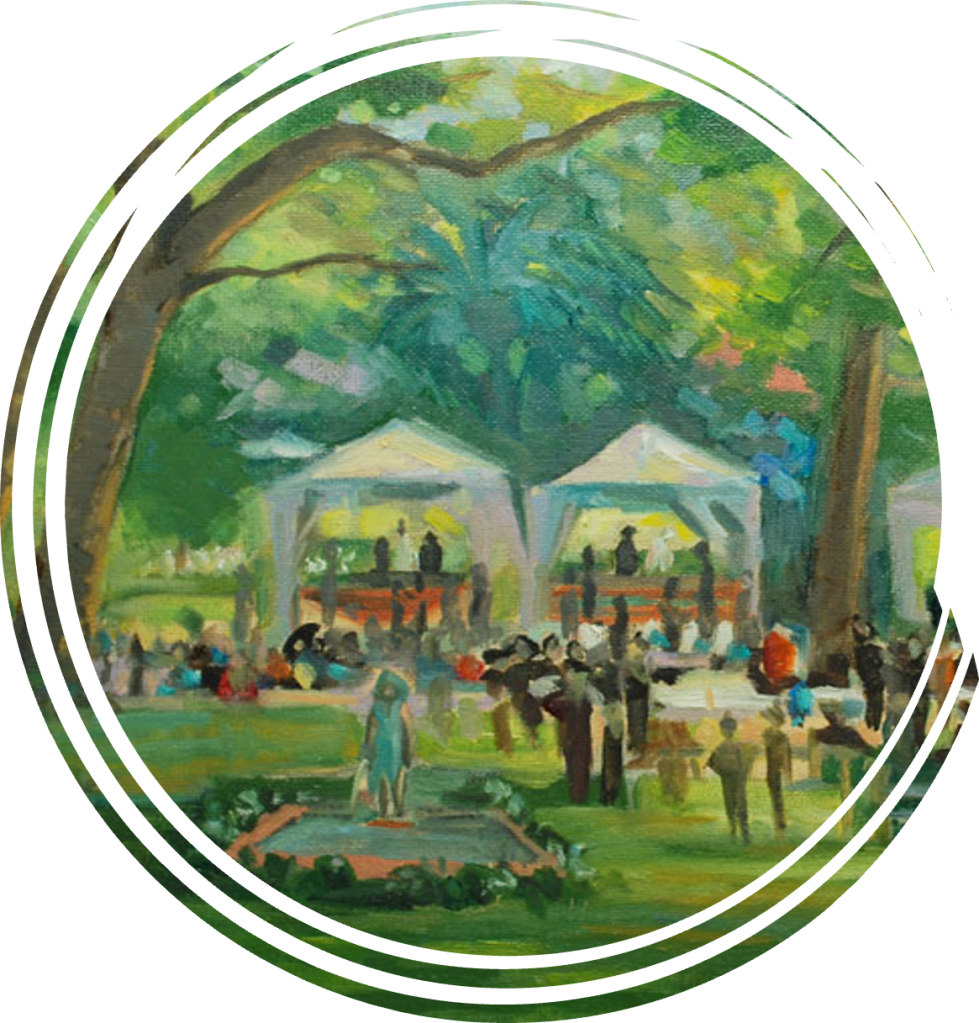
That description isn’t just a marketing blurb—it’s storytelling. And in that moment, with eyes closed and scent swirling through the air, participants aren’t just hearing words—they’re feeling them.
Mythologie’s mission is to create immersive experiences through scent and story—each candle is hand-poured, but what lingers is the world they help you imagine. It’s a perfect example of what we explore at 3Cs: storytelling isn’t just for writers; it’s a communication skill that builds empathy and connection. As Maya Angelou famously said, “People will forget what you said, people will forget what you did, but people will never forget how you made them feel.” That’s the power of storytelling—it reaches the heart before the mind. The way Mythologie crafts their descriptions shows that when you tell the scene first, people feel something. And when they feel something, they understand something. That’s how storytelling becomes connection.
So what do we mean by “tell the scene first”? It’s about inviting someone into an experience before handing them the facts. Instead of saying, “It was a nice day,” say, “The sun stretched across the lawn, and the air smelled faintly of jasmine.” When you describe what it felt like to be there, you give the listener sensory anchors—the warmth, the light, the scent—that let them step into your world. Neuroscience backs this up: when people hear descriptive stories, their brains activate as if they’re living the experience themselves. That emotional engagement creates empathy, memory, and understanding. When we feel something, we care. And when we care, we listen differently. This is the heart of communication that connects.
Storytelling is not about perfection; it’s about presence.
One workshop participant shared:
When you read outload the Garden Party candle description, I felt like I was in the garden. It made me understand how telling a scene could help me explain an idea or feeling to others—better than just listing facts.
In the storytelling workshop, we go deeper: we play with storytelling prompts, share moments from our own lives, and explore how stories shape connection. Whether you’re a student, a parent, a professional, or a retiree, the art of storytelling helps you clarify your thoughts and connect more genuinely. Mythologie’s candle stories became our starting point—a reminder that details bring meaning to life, and emotion gives words their staying power.
So the next time you light a candle—or open a conversation—remember: you don’t have to start with the facts. Start with the feeling. Start with the scene. Because storytelling isn’t just a creative act—it’s how we remember, relate, and remind each other that we’re human.
 Cool, Comms, Collected