
To effectively communicate, we must realize that we are all different in the way we perceive the world and use this understanding as a guide to our communication with others. — Tony Robbins
Intergenerational communication—the exchange of ideas, values, and stories across age groups—fosters empathy, understanding, and collaboration in families, workplaces, and communities. While each person has a unique communication style, generational influences rooted in historical context, values, and technological advancements play a powerful role in shaping how we express ourselves.
The Shared Human Experience
While this musing is about how we are different, no matter our age or personal experience, at our core, we all seek meaning, connection, and a sense of belonging. We face struggles and celebrate victories, shaped not just by our individual stories but by the deep, invisible thread that binds us—our shared humanity. No matter where we come from or what we’ve been through, we all carry within us the ability to create, to forgive, to grow, and to lift each other up. That is both our challenge and our gift. This is how we truly connect with one another.
Generalizing Generational Differences
Note: the following are generalizations: putting labels on people based on their age. It is meant to give examples of how backgrounds and personal experience influence communication styles. It is important to understand that each person is unique and not everyone will align with the perceived similarities of people who were born around the same time period.
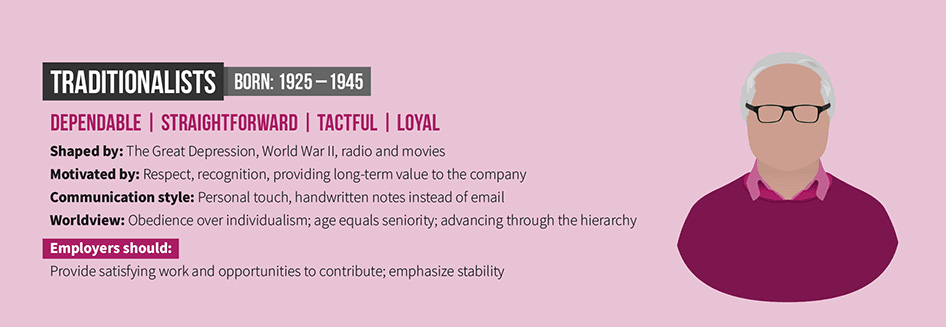
Traditionalists (born before 1946) grew up during the Great Depression and World War II. Their formative years were generally emphasized by duty, respect for authority, and clear hierarchies. They tend to favor formal language, written communication, and face-to-face interaction.
Baby Boomers (1946–1964), raised in the post-war boom, were in part shaped by civil rights movements, the Vietnam War, and economic prosperity. They tend to value teamwork, personal growth, and optimism. Boomers often prefer direct conversation and value phone calls and in-person meetings.

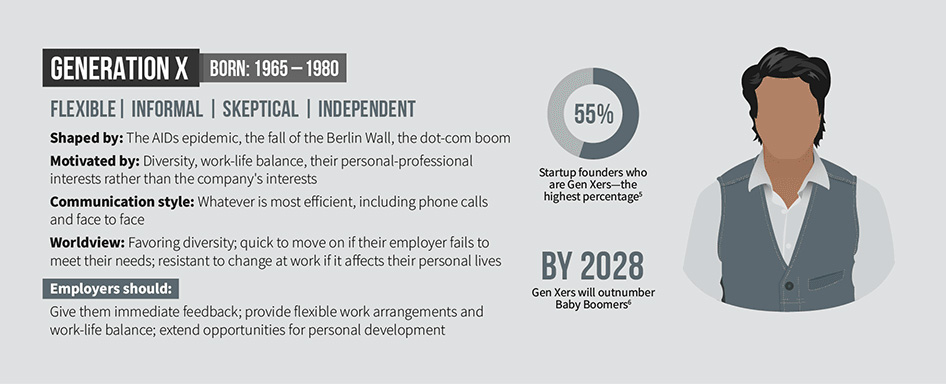
Generation X (1965–1980), the first to grow up with personal computers and during a time that saw an increase in divorce rates; they are recognized as being more self-reliant and skeptical than previous generations. Influenced by events like the Cold War and the rise of corporate culture, they tend to value efficiency and authenticity, often balancing email and phone communication.
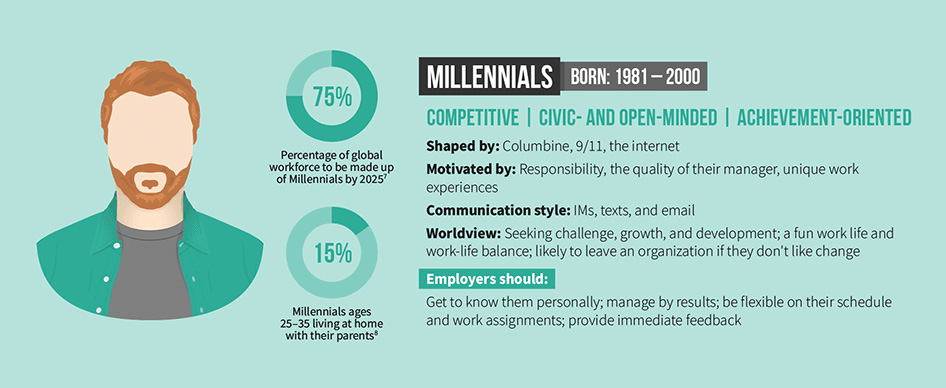
Millennials (1981–1996) came of age during the internet explosion, 9/11, and the 2008 recession. People of this generation tend to emphasize collaboration, social justice, and instant access to information. Texting, social media, and video calls are generally their preferred communication modes.
Generation Z (1997–2012) are digital natives who never knew a world without smartphones and social media. Global concerns such as climate change and the COVID-19 pandemic have influenced their worldview. This generation tends to gravitate toward visual communication—emojis, memes, and videos—favoring speed and creativity.

Understanding these generational lenses allows us to bridge gaps, avoid misinterpretations, and learn from each other’s experiences. Intergenerational communication creates stronger bonds, enhances problem-solving, and honors the wisdom of every age group. By appreciating the forces that shaped each generation’s voice, we foster a more connected and respectful society.
Case Study: “The Coffee Shop Conversation” – A Cross-Generational Dialogue

This cross-generational dialogue explores a spontaneous interaction between three strangers from different generations who share a table at a busy coffee shop. The conversation highlights differences in communication styles, word choice, attention span, and use of technology among Baby Boomers, Gen X, and Gen Z.
Setting:
A crowded urban coffee shop with limited seating. Three individuals end up sharing a large communal table during a weekday afternoon.
Participants:
- Marvin (Age 72 – Baby Boomer): Retired history teacher. Enjoys reading newspapers, values formal conversation and storytelling.
- Tasha (Age 46 – Gen X): Marketing consultant. Practical, prefers direct communication, juggling work-life balance.
- Zion (Age 20 – Gen Z): College student and content creator. Expressive, uses emojis and slang, multitasks with headphones in.
Interaction:
Marvin sets down his newspaper and glances over at Zion, who is furiously typing on a laptop with AirPods in.
Marvin: (gesturing with a friendly smile)
Excuse me, young man, do you mind if I ask what you’re working on? You look quite focused.
Zion: (removes one AirPod, slightly surprised)
Oh, I’m editing a vlog for my YouTube. Just dropped a vid yesterday and I’m prepping the next one.
Marvin:
A vlog? That’s like a video journal, right?
Zion: (smirks)
Yeah, basically. I film my day, add a voiceover, maybe a lo-fi beat—y’know, keep it vibey.
Marvin: (laughing kindly)
You lost me after “voiceover.” But I admire your energy.
Tasha joins them at the table, laptop and phone in hand. She overhears and joins the conversation.
Tasha:
Sounds like you’re in the content game. That’s smart. Brand-building is everything now. Who’s your audience?
Zion: (visibly impressed)
Mostly Gen Z and some Millennials. Wait—you know about branding?
Tasha: (laughs)
I’m a marketing consultant. I help companies figure out how to not sound like robots on social media.
Marvin: (smiling)
I’m clearly outnumbered by tech-savvy minds. In my day, a good handshake and a firm look in the eye was how you made a name for yourself.
Zion:
Now it’s more like…a consistent posting schedule and aesthetic.
Tasha:
And an authentic voice. Which is actually something I think every generation values—even if we go about it differently.
Marvin:
True. Though I’ll admit, I miss when people weren’t staring at screens while having conversations.
Zion: (pauses, then removes both AirPods)
You’re right. My bad. It’s just instinct now to keep them in. But I’m listening.
Tasha: (nods approvingly)
That’s actually rare—thanks for that. A lot of people your age struggle with being present in real time.
Zion:
Yeah, we’re used to multitasking. But also… sometimes I think older people underestimate us.
Marvin:
And younger people sometimes assume we’re out of touch. But talking like this reminds me—there’s more common ground than we think.
Communication Breakdown & Insights:
| Element | Marvin (Boomer) | Tasha (Gen X) | Zion (Gen Z) |
|---|---|---|---|
| Style | Storytelling, thoughtful pauses, eye contact | Direct, practical, professional tone | Fast-paced, informal, expressive (emojis, slang) |
| Technology Use | Prefers analog (newspapers) | Integrates tech functionally | Dependent on digital tools |
| Listening Style | Attentive, values undivided attention | Balances multitasking with focus | Habitual multitasker, uses earbuds but adjusts when addressed |
| Assumptions | Young people are disengaged | Both older and younger generations need adjustment | Older people don’t “get it,” but appreciates openness |
Takeaway:
This interaction demonstrates how generational communication styles differ, but also how mutual respect and curiosity can bridge those gaps.
Despite initial differences, Marvin, Tasha, and Zion each adjusted their style—Marvin leaned into curiosity, Tasha acted as a translator of sorts, and Zion became more present. The conversation underscores the value of intergenerational communication as a tool for building understanding in increasingly mixed-age social and professional environments.
 Cool, Comms, Collected