
Even when we aren’t speaking, we are still communicating through our presence, posture, and expressions.
93%
of communication is nonverbal
55%
is body language
38%
is tone of voice
7%
is actual words
This is according to research by Dr. Albert Mehrabian, pertaining to communication related to conveying emotions. While this statistic is often misinterpreted and doesn’t apply to all communication contexts, it underscores how powerful nonverbal cues can be in delivering emotional and relational messages.
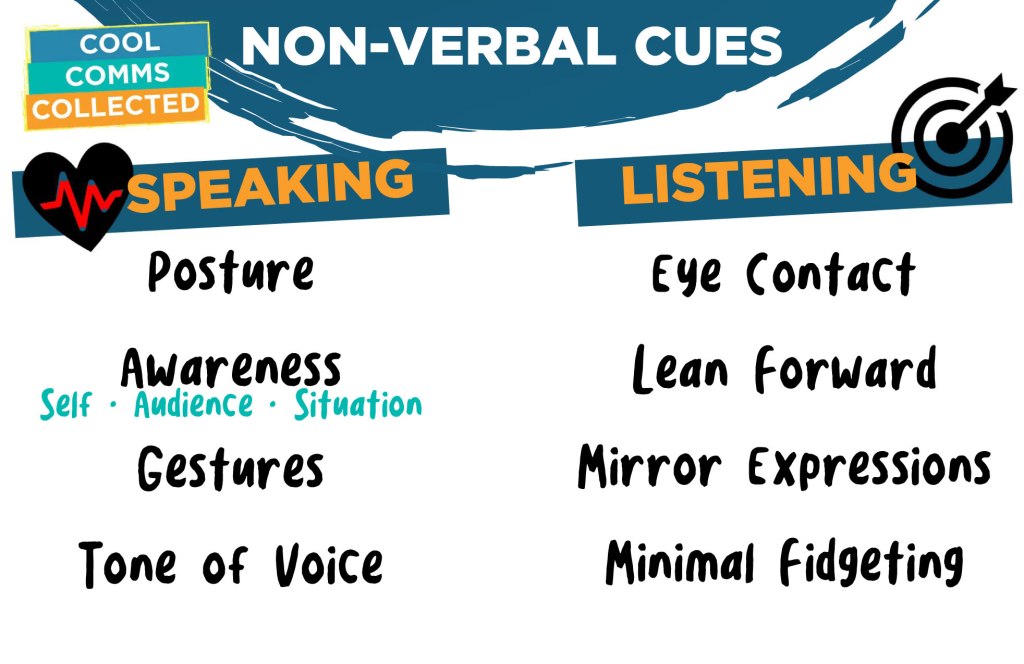
Verbal Communication
Verbal communication involves the use of language to convey a message. This includes spoken words in conversations, speeches, or phone calls, as well as written words in texts, emails, books, or signage. It is often direct, structured, and intentional.
Verbal communication is valued for its clarity and precision. When used effectively, it ensures the message is understood exactly as intended. It allows for detailed explanation, questioning, and negotiation, making it essential in settings like education, business, and public speaking.
Nonverbal Communication
Nonverbal communication refers to the unspoken elements of communication. It includes facial expressions, gestures, posture, eye contact, tone of voice, and even silence. These cues often accompany verbal messages, enhancing—or sometimes contradicting—the spoken word.
Nonverbal communication excels in conveying emotion, attitude, and relationship dynamics. It transcends language barriers, making it especially valuable in multicultural settings or when verbal ability is limited.
Discussion
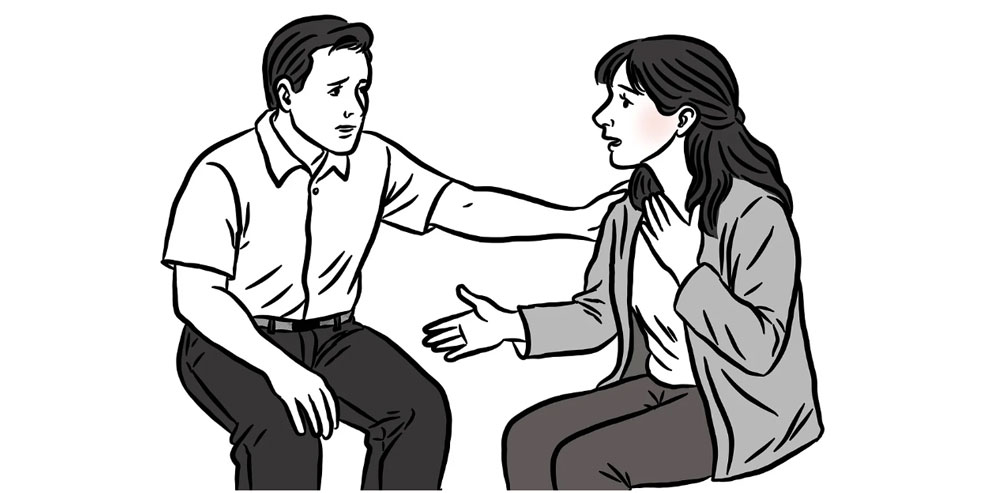
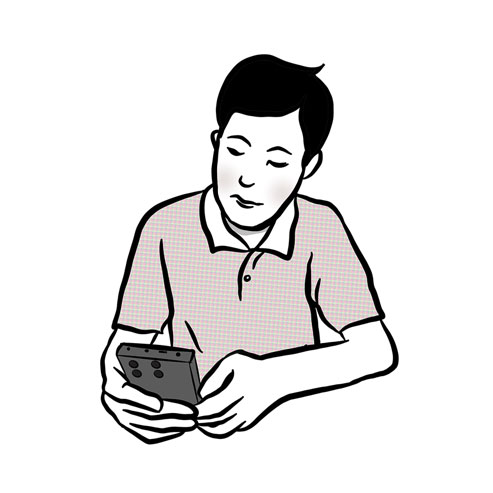
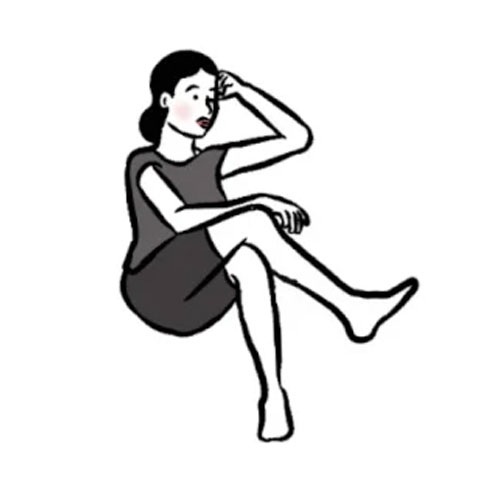
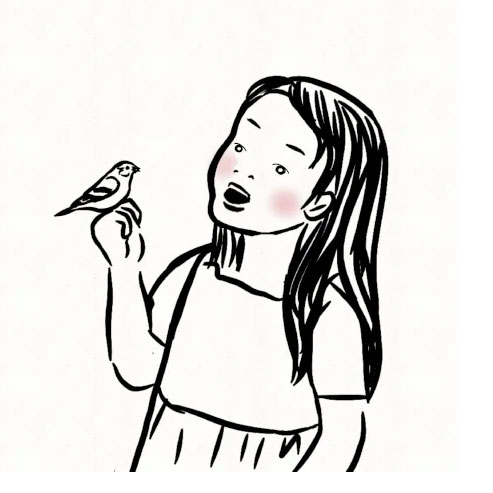
Look at the following pictures and answer these questions:
- What emotion do you think this person is feeling?
- What clues in their body language or facial expression lead you to that conclusion?
- What part of their body is giving you the strongest signal (e.g., eyes, mouth, posture)?
- Does their gesture seem open or closed? What might that suggest?
- If this person were speaking, what tone of voice do you think they’d be using?
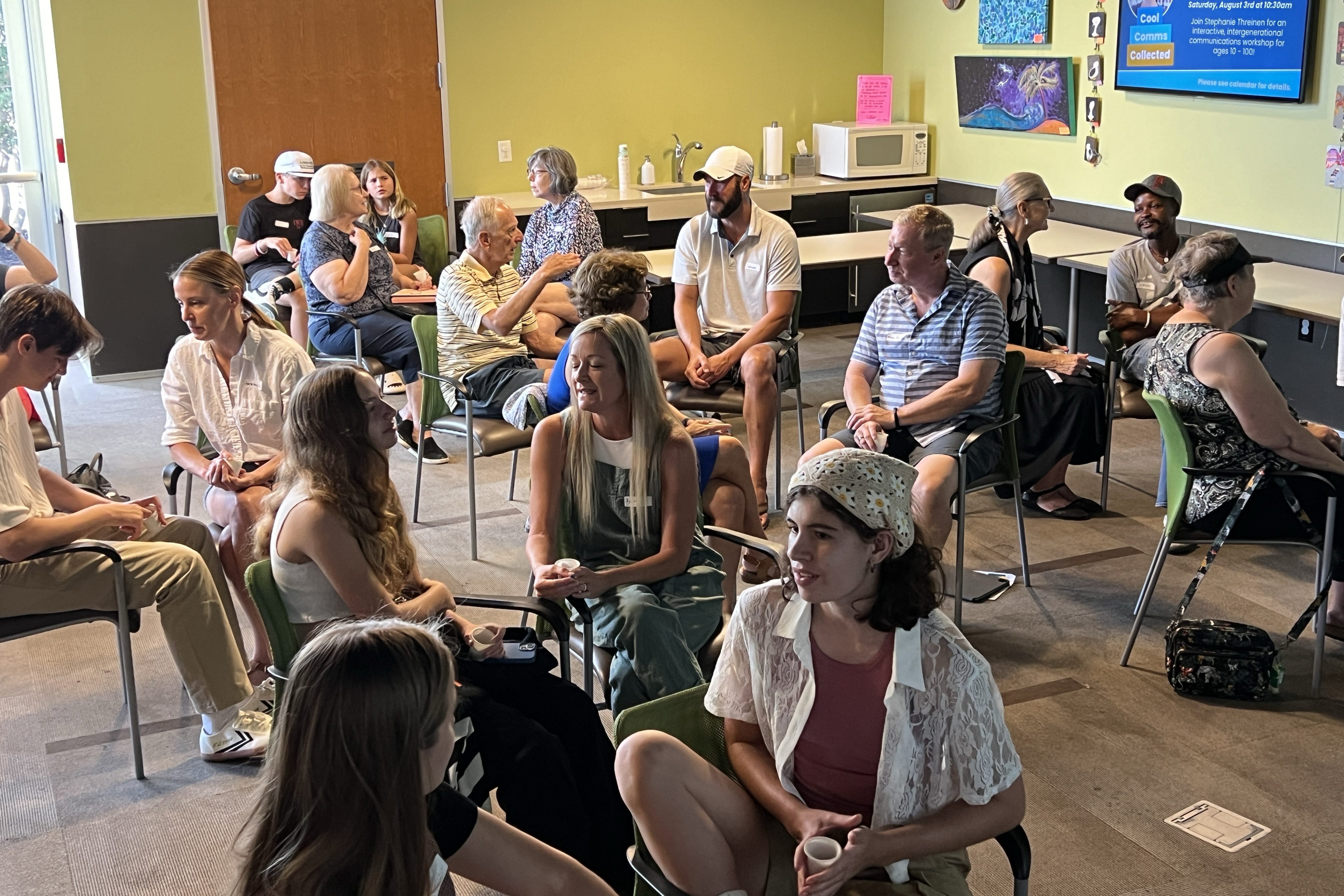
One of the activities we do at the workshops is called “Listening & Validation”: In Round 1, Person A is emphatically speaking to Person B about something they are super excited about – but, Person B’s job is to act like they are not paying any attention to what is being said. In Round 2, Person B will emphatically speak to Person A about something they are excited about, while Person A uses nonverbal communication to show they are engaged in the conversation and interested in what is being said.
 Cool, Comms, Collected