
The most precious gift we can offer others is our presence.
– Thich Nhat Hanh (monk and peace activist)
The greatest gift we can give is that of our full attention in an attempt to make a connection.
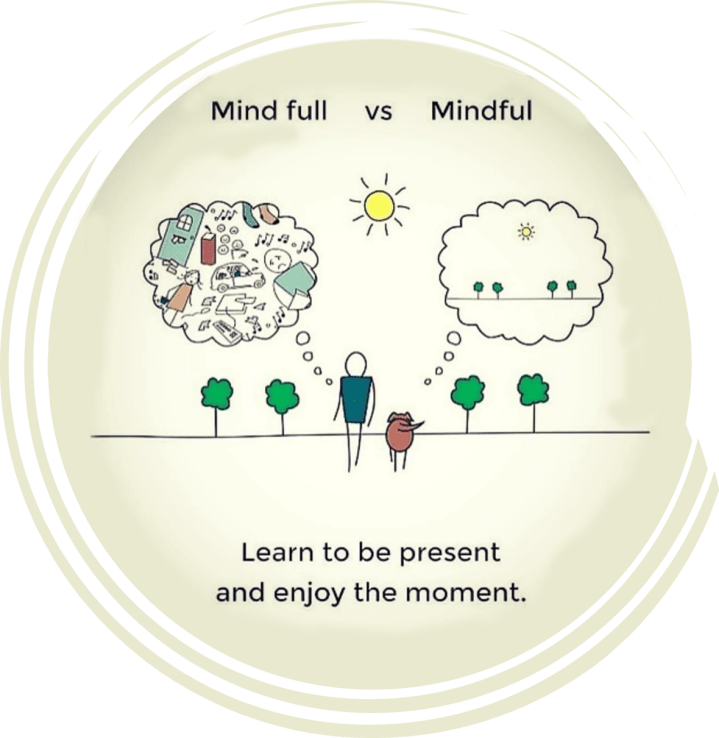
In a world filled with distractions, where multitasking is the norm and attention is divided among notifications, deadlines, and to-do lists, mindfulness offers a much-needed pause. At its core, mindfulness is the practice of being fully present in the moment—aware of your thoughts, feelings, and surroundings without judgment. For those seeking to improve communication skills, this seemingly simple act can be transformative.
Why Mindfulness Matters in Communication
When we are present, we listen more intently, speak more thoughtfully, and respond instead of react. Mindfulness helps us slow down, observe what’s really being said (both verbally and nonverbally), and tune into not just our own emotions—but those of others. This presence is the foundation of genuine, empathetic, and effective communication.
Whether you’re a team leader navigating difficult conversations or a parent trying to stay patient through daily chaos, mindful communication enhances your ability to connect authentically. It builds trust, reduces misunderstandings, and fosters healthier, more respectful dialogue.
The Cost of Disconnection: What Science Says
Scientific research shows that not living in the present moment can have profound effects on the brain and overall well-being. A groundbreaking study by Harvard psychologists Matthew Killingsworth and Daniel Gilbert found that people spend nearly 47% of their waking hours thinking about something other than what they’re doing, a mental habit linked to lower levels of happiness. Neuroscientific studies have also shown that this “mind-wandering” state is associated with activity in the brain’s default mode network (DMN)—a network correlated with rumination, self-referential thinking, and even symptoms of anxiety and depression. Chronic activation of the DMN can increase stress levels, reduce cognitive performance, and impair memory and emotional regulation. In contrast, mindfulness practices deactivate the DMN and engage brain regions tied to focus, empathy, and emotional control, such as the prefrontal cortex and anterior cingulate cortex.
Simply put, living in the past or future taxes the brain—being present heals it.
Mental Health and Self-Awareness Benefits
Practicing mindfulness regularly is proven to reduce stress, anxiety, and emotional reactivity. It creates a space between stimulus and response—a space where clarity lives. This mental calm allows you to approach conversations with more patience, self-awareness, and emotional regulation.
Mindfulness also encourages you to become aware of your own communication habits. Do you interrupt? Avoid conflict? Speak without thinking? Regular practice helps shine a light on these tendencies so you can make intentional shifts.
Tips to Introduce Mindfulness into Your Daily Life
Incorporating mindfulness doesn’t require a major lifestyle overhaul. Start small with these simple practices:
- Mindful Breathing: Begin or end your day with 2-5 minutes of focused breathing. Notice the sensation of air entering and leaving your body.
- Single-Tasking: Choose one task to complete without distraction (ex: brushing teeth, washing dishes, walking). No emails, no phone—just one thing at a time.
- Body Scans: Spend a few moments each day checking in with how your body feels. This grounds you in the present.
- Mindful Listening: When someone speaks, give them your full attention. Don’t plan your response while they’re talking—just listen.
- Digital Breaks: Set aside time each day to unplug. Use that space to reflect, walk, or simply be.
Mindfulness isn’t about perfection—it’s about intention. When practiced consistently, it rewires the way we show up for ourselves and for others.
Let mindfulness be more than a buzzword—let it be the foundation of how you lead, listen, and live.
 Cool, Comms, Collected