
Twenty-five years ago, I wrote my first published article. One word, I now realize, could have changed its meaning.
September 12, 2001, was my first day as a published journalist. I was a college student writing for my student newspaper, and my editor was asking for an opinion piece about the attacks of September 11. Its title was “Tragedy strikes but everyday life goes on.”
I recently revisited those words and wondered what difference one word might have made. What if the title had read, “Tragedy strikes but every day, life must go on”?
That single word—must—changes the meaning. The original title can sound as though life simply continues, despite tragedy. But must acknowledges that life as we knew it stopped the moment the first airplane hit the World Trade Center. For those who witnessed the attacks, lost loved ones, responded, or watched the events unfold, there was no returning to the world that existed before.
And yet, to heal, we must continue. Not because what happened was insignificant, and not because we should forget, but because moving forward is part of how we survive, heal, and honor what has been lost. Moving forward is not the same as moving on.
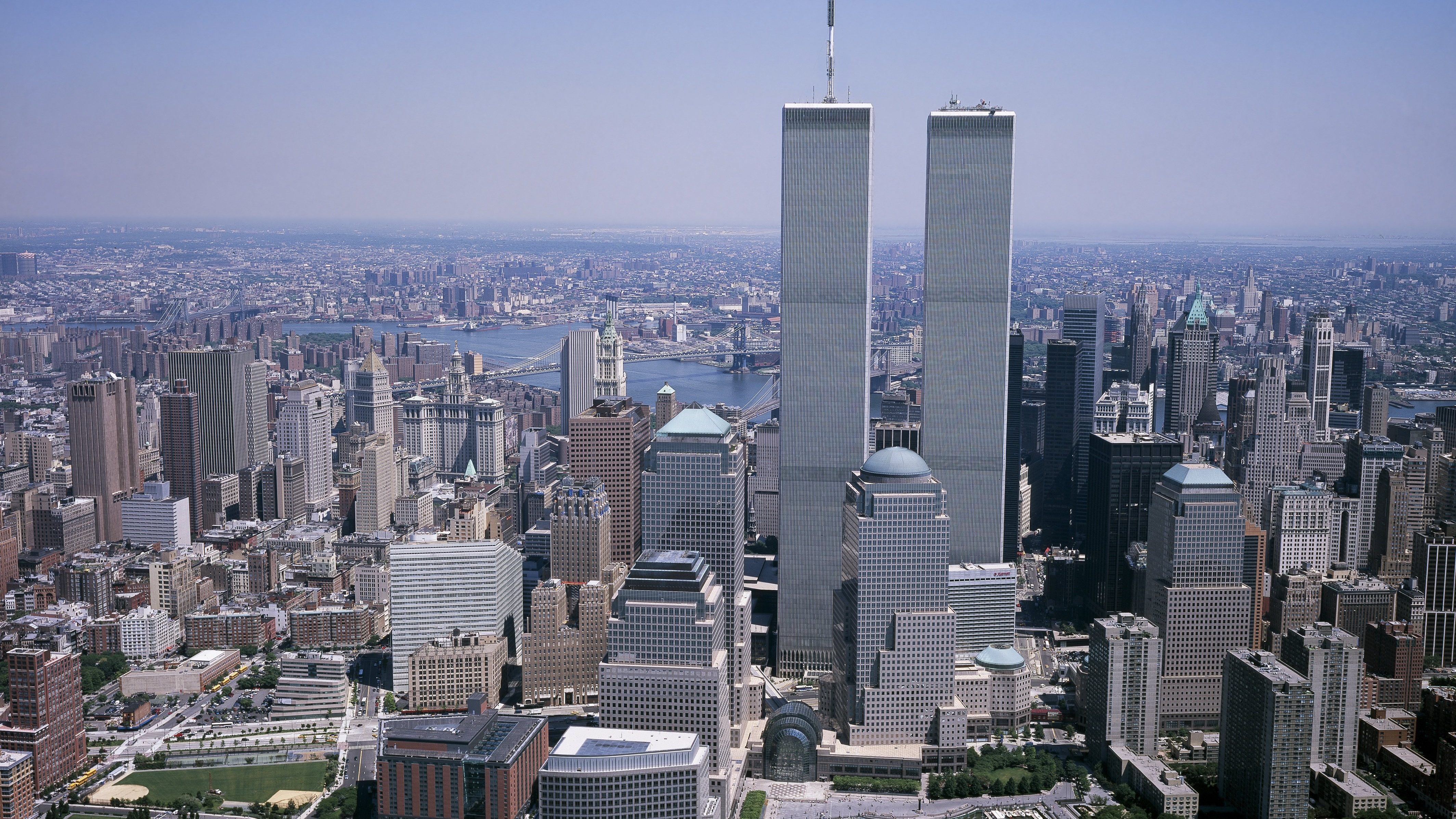
The Memories We Carry
Every generation has defining moments: events that stay with those who were alive to experience them. For some, it is the assassination of President Kennedy. For others, it may be the Challenger explosion, Hurricane Katrina, the COVID-19 pandemic, or another event that changed how they understood the world.
For my generation, September 11 is one of those moments. Many remember exactly where they were when they heard the news. They remember the fear, the confusion, the conversations, and the questions. They remember what happened, and they remember what came next.
Helping younger generations understand these events is part of our responsibility. How do we communicate the magnitude of something we did not personally experience? How do we ensure remembrance becomes more than a date in a textbook? These questions are central to my work with Cool, Comms, Collected, where we believe stories shared across generations can build understanding, empathy, and connection.
The Responsibility of Words
When I wrote that article, I didn’t know how many people would read it or whether my words would make a difference. But that was not really the point. I was using my voice—what felt like a very small voice at the time—to speak about something that mattered, share my reaction, and remind others that they were not alone.
In that article, I wrote:
“I felt an unusual amount of national pride and worry for my fellow citizens as I stared wide-eyed at the live news coverage of this horrific offense to our nation. People ran around shocked, covered in a thick layer of dust. At the same time, thousands of deaths occurred in a matter of hours. Many would agree the terrorists committed these crimes in order to scare us. Many would also agree it worked. However, it also created a stronger sense of national pride…”
Reading those words now, I recognize the young journalist who wanted to understand and connect. I believe that is one of the most important purposes of communication: not simply to inform or persuade, but to help establish a sense of community. To give people language for experiences they may not yet know how to express. To remind us that we are in this thing called life together.
What Do We Do With What We Remember?
Every anniversary of 9/11 brings renewed efforts to explain the meaning of that day. Journalists revisit the stories and voices of those who were there. They ask what happened, why it happened, and what has changed.
Beneath those questions is another: What can we learn from this?
What can we do differently as a society? How do we build stronger communities, challenge hatred, and prevent future tragedies? There may not be simple answers, but meaningful action begins with shared understanding—and often with empathy, passion, and a commitment to change.
Words can help create that foundation. They can open conversations, challenge assumptions, and bring people together. They can also be used to divide, justify violence, or deepen fear. Choose your words wisely. They may be the beginning of understanding, healing, or change.
Twenty-five years ago, I used my small voice to write about a national tragedy. Today, I am still learning what it means to use words with intention. And I still believe that, even when the world changes in an instant, every day, life must go on—not so we can forget, but so we can remember, learn, and move forward together.
 Cool, Comms, Collected